This whole project started because of a Halloween costume.
I was browsing Taobao, endlessly scrolling, unable to picture how different pieces would actually look together. I was struck by a random, chaotic thought: Can I just use Claude to code an app that tests these outfits for me?
When I pitched this to Gigi, a Gen-Z coworker who lives on Taobao, she laughed. Building software usually starts with a grand master plan. Mine started because I was frustrated by a skirt.
Dressing for "The Scene"
Here is my philosophy on fashion: it's not just about whether a piece of clothing fits your body or matches a specific "style." I think, we should all "Dress for occasion". So, it is about The Scene.
With my background in landscape architecture, I know that you don't just pick beautiful outdoor furniture and drop it anywhere; you pick the right lounge chair that works within a specific resort pool; you pick the right bench that fits in a specific park. Clothes are exactly the same. They must complement the holistic environment. If you want to know if an outfit works, you don't test it against a plain white background. You test it against the bamboo forest path you are going to walk down.
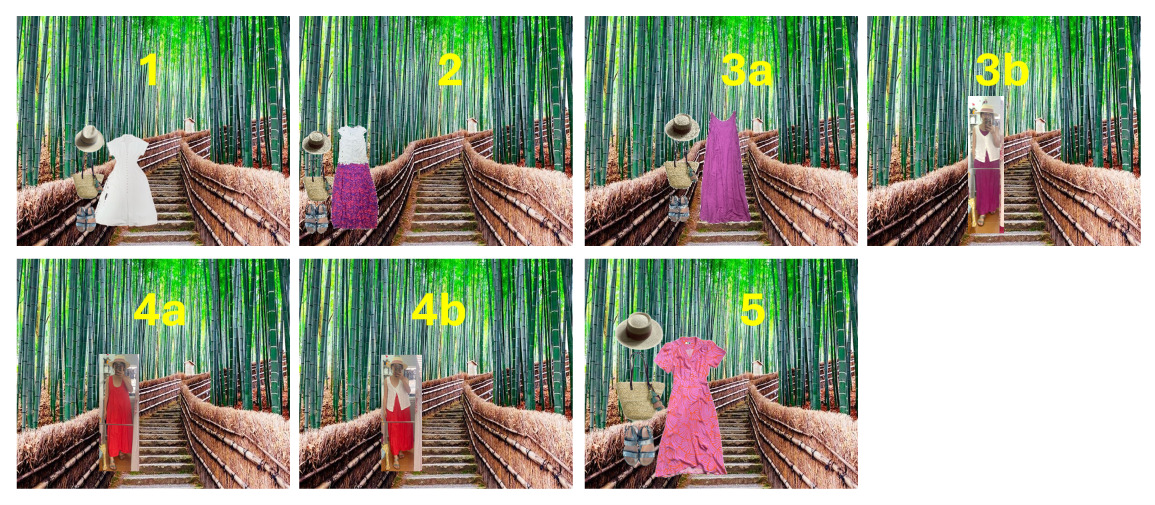
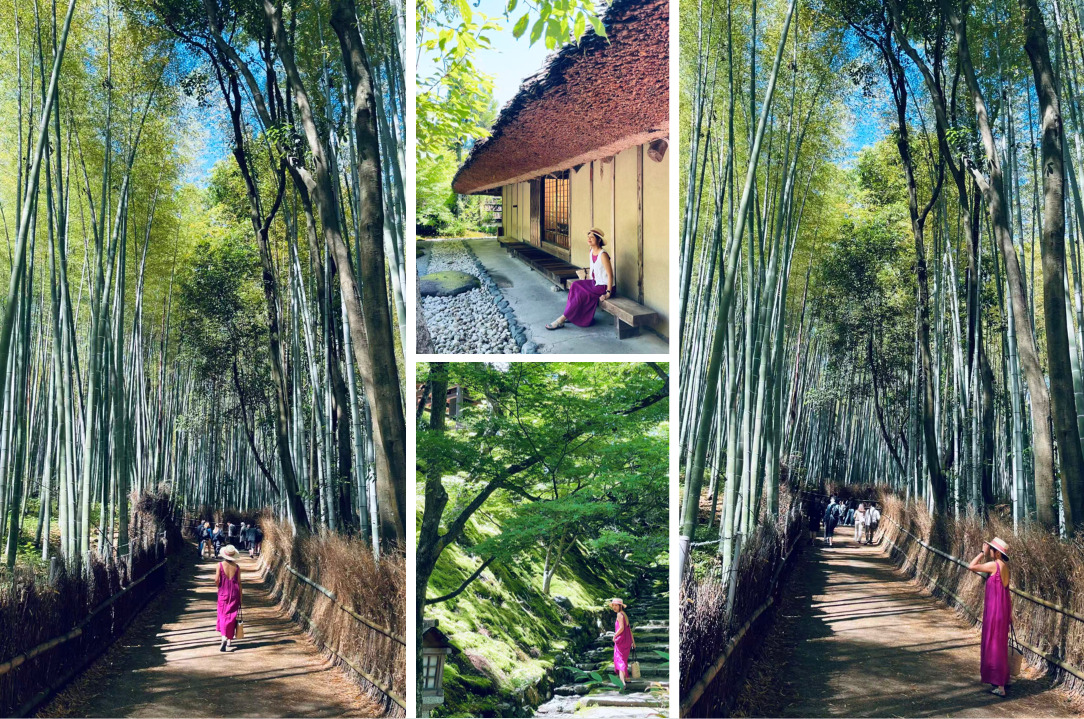
David vs. Goliath (The Paper Doll Pivot)
As I started "vibe coding" with Claude, we hit a wall, many times. Especially when I looked at Taobao's built-in AI fitting room, and it was terrifyingly good. It maps clothes onto 3D models in seconds. As a solo vibe-coder, I cannot out-engineer a billion-dollar tech giant on hyper-realism.
So, I didn't try. Instead of fighting a losing battle, I pivoted. I realized that in a world flooded with flawless, sterile AI generation, people actually crave nostalgia. I decided to lean into the "flaw" and aim for a handmade, scrapbook, "paper doll" aesthetic. It doesn't need to fit perfectly; it needs to feel personal.
The "Scammer" Reality Check
Once I had the prototype, I needed testers. I messaged my girls group in WhatsApp, asking for their height and swimsuit photos to generate their avatars. Their response? Absolute silence.
Suddenly, I had a massive realization. I sounded exactly like a creepy scammer, or like my brother, a tech founder, when he randomly asks me to test something out of the blue. I was so high on the project I am working on that I forgot about human psychology. This was a masterclass in UX and Friction Empathy: you cannot just ask users for sensitive data without warming them up and building trust first.
Next week, I am moving on to my real target audience: Gigi and my students. (Beta testers who actually need the product are far more valuable than friends who are just being polite).
P.S. Claude told me "Fitting Room" is too generic a name for this app. Damn it. Now I have to think of a better name!